
Many of the most serious health conditions affecting men—heart disease, diabetes, certain cancers, and mental health disorders—often develop quietly. By the time symptoms surface, damage may already be underway. Taking preventive action early allows men to reduce risks, extend longevity, and maintain a higher quality of life.
Why Prevention Matters More Than Treatment
Preventive health focuses on identifying risks before they turn into illness. Early action can:
-
Detect silent conditions like high blood pressure or elevated cholesterol
-
Lower healthcare costs over time
-
Improve physical performance, mental clarity, and energy levels
-
Increase life expectancy and reduce disability
Men are statistically more likely to delay care, making prevention even more critical.
Prioritize Regular Health Screenings
Routine checkups help uncover hidden issues. Even if you feel fine, screenings provide a baseline for long-term health.
Key screenings men should not skip include:
-
Blood pressure and cholesterol tests
-
Blood sugar testing for diabetes risk
-
Body mass index and waist circumference checks
-
Age-appropriate cancer screenings
-
Vision and hearing evaluations
Early detection allows for simple interventions instead of complex treatments later.
Build a Sustainable Nutrition Strategy
What you eat daily shapes your long-term health more than occasional indulgences.
Focus on a balanced diet that includes:
-
Lean proteins such as fish, poultry, beans, and eggs
-
Whole grains instead of refined carbohydrates
-
Healthy fats from nuts, seeds, and olive oil
-
Plenty of fruits and vegetables for micronutrients
Reducing excess sugar, salt, and ultra-processed foods helps lower the risk of cardiovascular disease and metabolic disorders.
Stay Physically Active Without Overcomplicating It
Consistent movement is more important than intense workouts.
Aim for:
-
At least 150 minutes of moderate exercise per week
-
Strength training two to three times weekly
-
Daily movement such as walking, stretching, or cycling
Physical activity improves heart health, supports hormone balance, and reduces stress.
Manage Stress and Protect Mental Health
Chronic stress silently impacts blood pressure, immunity, sleep, and mood.
Effective stress-reduction habits include:
-
Deep breathing or mindfulness practices
-
Limiting excessive screen time
-
Maintaining social connections
-
Seeking professional support when needed
Addressing mental health early prevents burnout, anxiety disorders, and depression.
Optimize Sleep for Long-Term Health
Sleep is not optional—it is foundational.
Healthy sleep habits involve:
-
7–9 hours of sleep each night
-
A consistent sleep schedule
-
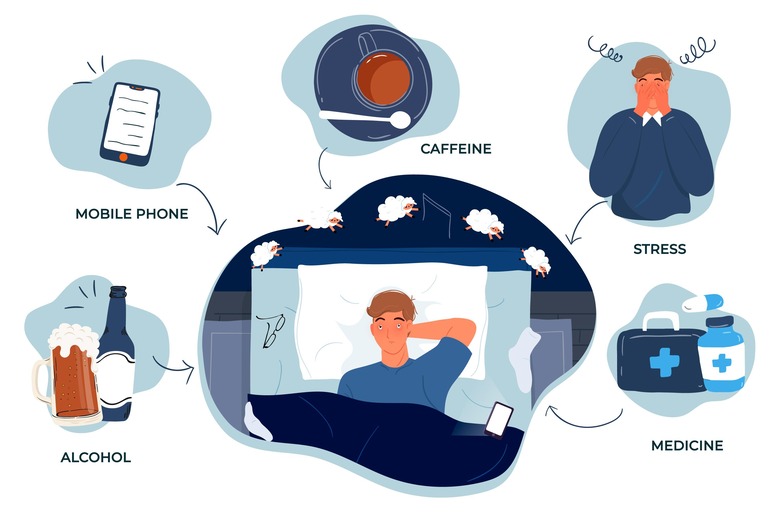
Reducing caffeine and alcohol close to bedtime
-
Creating a dark, quiet sleep environment
Quality sleep supports metabolism, testosterone levels, and immune function.
Limit Risky Behaviors Before They Cause Damage
Certain habits significantly increase long-term health risks.
Reducing or eliminating the following can make a major difference:
-
Smoking or vaping
-
Excessive alcohol consumption
-
Sedentary routines
-
Ignoring persistent fatigue or pain
Small changes, maintained consistently, yield powerful protective benefits.
Strengthen Preventive Habits Through Consistency
Prevention is not about perfection—it is about repetition.
Successful long-term strategies include:
-
Scheduling annual health reviews
-
Tracking key health markers over time
-
Setting realistic fitness and nutrition goals
-
Treating self-care as a responsibility, not a luxury
These habits compound, reducing risk year after year.
Frequently Asked Questions
1. At what age should men start focusing on preventive health?
Preventive care should begin in early adulthood, with increasing attention after age 30 as risk factors accumulate.
2. Can lifestyle changes really prevent serious diseases?
Yes. Many chronic conditions are strongly influenced by diet, activity, sleep, and stress management.
3. How often should men get routine health checkups?
Most men benefit from an annual checkup, though frequency may increase with age or existing risk factors.
4. Is strength training important for overall health?
Strength training supports bone density, metabolism, hormone balance, and injury prevention.
5. How does stress affect physical health in men?
Long-term stress can increase inflammation, weaken immunity, disrupt sleep, and elevate heart disease risk.
6. Are preventive screenings necessary if I feel healthy?
Yes. Many serious conditions develop without noticeable symptoms until they are advanced.
7. What is the easiest preventive habit to start today?
Improving sleep consistency and adding daily movement are two of the simplest and most impactful changes.