
Trying to lose weight often feels like a battle against obvious temptations—cakes, fries, and sugary drinks. Yet for many people, progress stalls because of hidden calories lurking in foods that seem harmless or even healthy. These stealth calories add up quietly, pushing daily intake beyond what the body needs and slowing results despite good intentions.
Understanding where these calories hide is the first step toward regaining control.
What Are Hidden Calories?
Hidden calories are extra energy from foods or add-ons that don’t look filling or indulgent. They’re usually tucked into sauces, beverages, cooking methods, or “health” foods that feel safe to eat generously. Because they don’t trigger the same mental alarms as junk food, they’re easy to overlook.
The Real Cost of “Healthy” Additions
Many nutrient-rich foods become calorie traps once extras are added.
Salad Dressings and Toppings
A bowl of greens is light—until it’s drenched in dressing. Creamy dressings, croutons, cheese, and candied nuts can turn a 150-calorie salad into a 600-calorie meal.
Watch out for:
-
Ranch, Caesar, or honey mustard dressings
-
Large handfuls of nuts or seeds
-
Cheese sprinkles that quickly multiply
Avocados and Healthy Fats
Avocados, olive oil, and nut butters are rich in healthy fats, but they’re also calorie-dense. A little goes a long way.
Common mistake: Pouring oil freely or spreading nut butter thickly without measuring.
Granola and Smoothie Bowls
Granola markets itself as wholesome, yet many brands pack sugar and oils. Smoothie bowls topped with granola, nut butter, and coconut flakes can rival dessert calories.
Drinks That Undermine Weight Loss
Liquid calories often bypass fullness signals, making them especially sneaky.
Coffee Add-Ins
Plain coffee is nearly calorie-free, but flavored syrups, creamers, and whipped toppings change that fast.
A daily flavored latte can add hundreds of calories without reducing hunger.
Fruit Juices and Smoothies
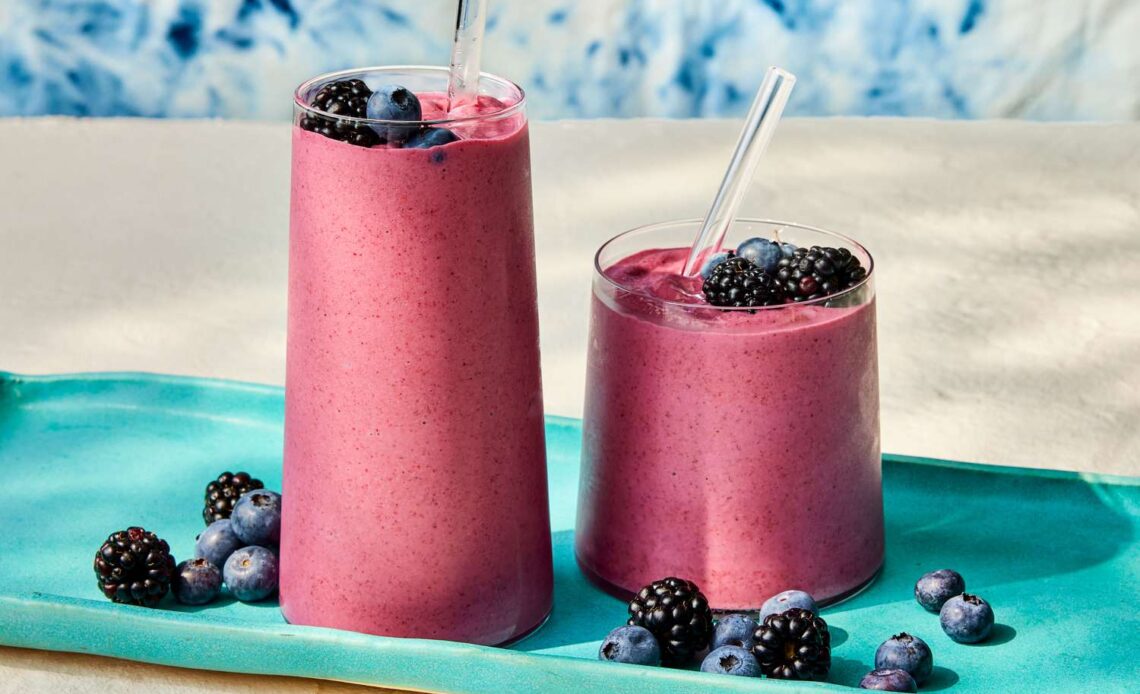
Even 100% fruit juice lacks the fiber that slows sugar absorption. Smoothies, while nutritious, can easily contain multiple servings of fruit plus extras like honey or protein powders.
Alcoholic Beverages
Alcohol provides empty calories and lowers dietary restraint, often leading to overeating later.
Hidden contributors include:
-
Cocktails with syrups or mixers
-
Craft beers with higher alcohol content
Cooking Methods That Add Up
How food is prepared matters just as much as what you eat.
Oils and Butter in Cooking
Sautéing, roasting, or pan-frying with generous oil portions can double the calorie content of a meal.
Sauces and Marinades
Barbecue sauce, teriyaki, and creamy marinades often contain sugar and fat that sneak into every bite.
“Healthy” Snacks That Aren’t So Innocent
Protein bars, trail mix, and baked chips often wear a health halo. While convenient, they’re easy to overconsume.
Typical pitfalls:
-
Eating straight from the bag
-
Assuming “organic” or “high-protein” means low-calorie
-
Ignoring portion sizes
How to Outsmart Hidden Calories
Awareness beats restriction. Small adjustments can protect your goals without sacrificing enjoyment.
Smart strategies include:
-
Measuring oils, dressings, and nut butters
-
Choosing whole foods over packaged snacks
-
Drinking water or unsweetened tea instead of caloric beverages
-
Reading labels, even on “healthy” products
Weight loss doesn’t require perfection—just honest accounting of what’s really on your plate.
Frequently Asked Questions
1. Are hidden calories more damaging than junk food calories?
Not inherently, but they’re more dangerous because they’re often ignored, making overeating more likely.
2. Can healthy fats prevent weight loss?
Healthy fats support nutrition, but excess portions can stall progress due to high calorie density.
3. Are smoothies bad for weight loss?
No, but portion size and ingredients matter. Whole fruits and minimal add-ins make a big difference.
4. How can I spot hidden calories when eating out?
Look for words like creamy, fried, glazed, or loaded, and ask for sauces on the side.
5. Do liquid calories affect hunger differently than solid foods?
Yes. Liquids generally provide less satiety, leading to higher overall calorie intake.
6. Should I avoid all sauces and dressings?
Not necessary. Use them sparingly or opt for lighter versions like vinegar-based dressings.
7. Can tracking calories help identify hidden sources?
Absolutely. Even short-term tracking increases awareness and reveals patterns that sabotage goals.