
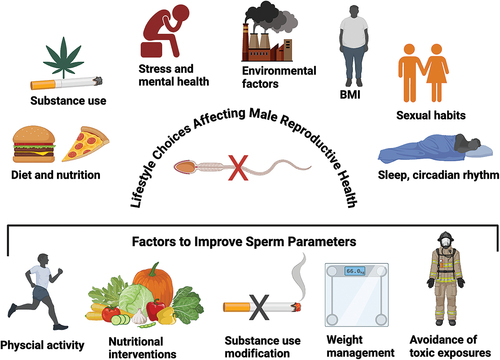
Male fertility is influenced by far more than genetics alone. Daily habits, environmental exposure, and long-term lifestyle patterns play a decisive role in sperm quality, hormone balance, and overall reproductive health. Understanding how these choices affect fertility allows men to take proactive steps toward improving their chances of conception.
Understanding Male Fertility at a Glance
Male fertility primarily depends on the health of sperm, which is assessed through several key factors:
-
Sperm count – the number of sperm produced
-
Motility – how well sperm move
-
Morphology – the shape and structure of sperm
-
DNA integrity – the genetic quality carried by sperm
Lifestyle decisions can influence each of these factors, either positively or negatively.
The Impact of Diet on Sperm Health
Nutrition has a direct effect on sperm production and hormonal balance. Diets lacking essential nutrients may impair sperm development, while balanced diets support reproductive function.
Key nutrients that support male fertility include:
-
Zinc – supports testosterone production
-
Omega-3 fatty acids – improve sperm motility
-
Antioxidants (vitamins C & E) – protect sperm from oxidative damage
-
Folate – supports healthy DNA formation
On the other hand, excessive intake of processed foods, trans fats, and sugary beverages has been linked to reduced sperm quality.
Exercise: Finding the Right Balance
Regular physical activity benefits fertility by improving circulation, reducing stress, and supporting hormone regulation. However, balance is essential.
Positive effects of moderate exercise:
-
Improved testosterone levels
-
Better weight management
-
Reduced inflammation
Potential risks of excessive or extreme training:
-
Hormonal disruption
-
Increased oxidative stress
-
Lower sperm concentration
Moderate activities such as brisk walking, strength training, or cycling in moderation tend to be most beneficial.
Smoking, Alcohol, and Substance Use
Lifestyle habits involving substances are among the most significant threats to male fertility.
-
Smoking reduces sperm count, motility, and DNA quality
-
Excessive alcohol consumption disrupts testosterone production
-
Recreational drug use may impair sperm formation and hormone balance
Reducing or eliminating these habits can lead to noticeable improvements in sperm health over time.
Stress and Mental Well-Being
Chronic stress affects the hormonal signals involved in sperm production. Elevated cortisol levels may interfere with testosterone synthesis and reduce libido.
Ways stress impacts fertility:
-
Hormonal imbalance
-
Reduced sperm production
-
Sexual performance difficulties
Stress-management strategies such as mindfulness, adequate sleep, and regular relaxation practices can positively influence fertility outcomes.
Sleep Patterns and Hormonal Balance
Sleep is essential for testosterone production, which occurs primarily during deep sleep cycles. Poor sleep quality or chronic sleep deprivation can lower testosterone levels and impair sperm production.
Healthy sleep habits include:
-
7–9 hours of sleep per night
-
Consistent sleep schedules
-
Limiting screen exposure before bedtime
Environmental and Occupational Factors
Exposure to environmental toxins can silently undermine male fertility. Certain chemicals disrupt hormones or damage sperm at the cellular level.
Common risk factors include:
-
Pesticides and industrial chemicals
-
Heavy metals such as lead or mercury
-
Prolonged heat exposure (e.g., hot tubs, saunas, laptops on the lap)
Reducing exposure and using protective measures at work can help preserve reproductive health.
Weight Management and Fertility
Both obesity and being underweight can negatively affect fertility. Excess body fat alters hormone levels, while insufficient body fat may reduce testosterone production.
Maintaining a healthy weight supports:
-
Balanced hormone levels
-
Improved sperm count and motility
-
Better overall reproductive function
Long-Term Lifestyle Changes Matter Most
Short-term adjustments may help, but sustained healthy habits produce the most meaningful improvements. Sperm development takes approximately three months, so positive changes often require time before results are noticeable.
Adopting a fertility-supportive lifestyle benefits not only reproductive health but overall well-being.
Frequently Asked Questions (FAQ)
1. How long does it take for lifestyle changes to improve sperm quality?
Most improvements become noticeable after about three months, which aligns with the sperm production cycle.
2. Can caffeine consumption affect male fertility?
Moderate caffeine intake is generally safe, but excessive consumption may negatively impact sperm quality.
3. Does wearing tight underwear reduce fertility?
Tight clothing may increase scrotal temperature, which can temporarily affect sperm production.
4. Are fertility supplements necessary for all men?
Not always. Supplements may help men with specific nutrient deficiencies but are not required for everyone.
5. Can environmental pollution affect male fertility even at low exposure levels?
Long-term, low-level exposure may still have cumulative effects on sperm health.
6. Is age a significant factor in male fertility?
Yes, sperm quality gradually declines with age, although men remain fertile longer than women.
7. Can improving lifestyle choices reverse fertility problems?
In many cases, lifestyle improvements can significantly enhance sperm quality, especially when issues are mild or moderate.