
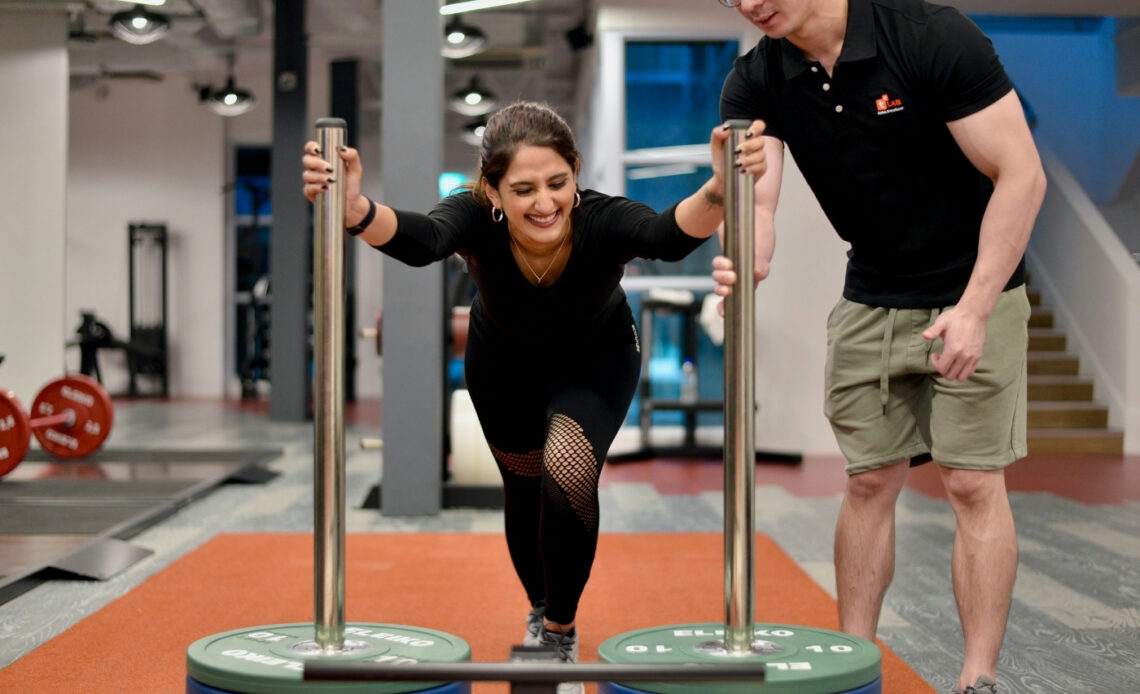
Many people have fitness goals, but not everyone has a clear system to reach them. Some want to lose fat, some want to build strength, some want better posture, while others simply want to feel more energetic and confident. A gym trainer singapore programme can help turn these broad goals into structured progress by giving each workout a clear purpose.
The problem with most fitness routines is not lack of effort. It is lack of direction. People train when they feel motivated, copy exercises from social media, change plans too often or repeat the same routine for months. A gym trainer helps organise the process so that training becomes more measurable, progressive and realistic.
Why Goals Need Structure
A goal like “get fit” sounds positive, but it is too broad to guide a proper training plan. Fitness goals need to be broken into smaller targets. These may include improving squat strength, increasing stamina, reducing waist size, building upper-body strength or improving mobility.
A trainer can help define these targets and choose exercises that match them. This turns training from random activity into planned progress. Every session has a role, and every exercise supports the bigger outcome.
When goals are structured, motivation also improves because the person can see what they are working towards.
The Problem With Random Workouts
Random workouts can make someone sweat, but they may not create lasting change. One day may involve cardio, the next day heavy weights, the next day a class, and then a long gap. This inconsistency makes progress difficult to track.
A trainer helps create a routine that fits the person’s goal and schedule. If fat loss is the aim, the plan may combine strength training, cardio and nutrition awareness. If muscle conditioning is the goal, the trainer may focus on progressive resistance training. If posture is the priority, the plan may include mobility, back strength and core control.
This kind of structure makes effort more productive.
Personalised Exercise Selection
Not every exercise suits every body. A movement that works well for one person may not be suitable for another due to mobility, strength level, injury history or confidence.
A gym trainer can adjust exercises based on the individual. For example, a member with tight hips may need modified lower-body movements. Someone with poor shoulder mobility may need alternative pressing exercises. Someone new to strength training may begin with machines before moving to free weights.
This personalisation reduces frustration and helps members train more safely.
Technique Correction Improves Results
Exercise form matters. Poor form can reduce results and increase discomfort. Many people do not realise when they are lifting with rounded shoulders, unstable knees or poor core control.
A trainer can correct technique during the session. Small changes in stance, tempo, breathing and posture can make an exercise more effective.
Better technique helps the right muscles work. It also builds confidence because the member understands how each movement should feel.
Progression Keeps the Body Adapting
The body adapts when training gradually becomes more challenging. This is called progressive overload. Without it, results may slow.
A trainer can manage progression through more weight, more repetitions, better range of motion, slower tempo, shorter rest periods or more advanced exercises.
Progression should not be rushed. The trainer’s role is to increase challenge when the body is ready, not simply make every session harder.
Accountability Builds Consistency
Many people know what they should do, but they struggle to keep doing it. Accountability helps.
When sessions are scheduled, the member is more likely to show up. A trainer also helps keep the routine alive during busy weeks, low-energy phases or slow progress periods.
Consistency is often the difference between people who reach their goals and people who restart repeatedly.
Training Becomes More Measurable
A gym trainer can track strength, stamina, mobility and workout consistency. This helps members see progress beyond body weight.
Someone may lift more, move better, recover faster or complete workouts with better control. These are all meaningful signs of improvement.
When progress is measurable, the fitness journey feels more rewarding and less confusing.
Real-Life FAQs
Q. Can a gym trainer help if I already know basic exercises?
Ans. Yes. A trainer can refine your form, improve programme structure and help you progress beyond your current level.
Q. Is structured training better than changing workouts often?
Ans. Yes. Variety is useful, but too much random change can make progress harder to measure.
Q. How does a trainer keep progress realistic?
Ans. By matching exercises, intensity and progression to your current ability, recovery and goal.