
For decades, nutrition advice revolved around counting calories. Eat fewer calories than you burn, and health will follow—or so the thinking went. But as chronic conditions continue to rise despite widespread calorie awareness, it’s clear that not all calories are created equal. What we eat matters just as much as how much we eat.
This shift invites a more human, practical question: What actually makes food healthy?
Why Calories Alone Miss the Bigger Picture
Calories measure energy, not nourishment. Two foods can deliver the same calorie count yet have dramatically different effects on the body.
-
A sugary snack may spike blood sugar and leave you hungry again.
-
A nutrient-dense meal can stabilize energy, support digestion, and keep you satisfied.
Health isn’t just energy balance—it’s biological impact.
The Role of Food Quality
Food quality refers to how nourishing, intact, and biologically supportive a food is. High-quality foods provide more than fuel; they offer the raw materials your body needs to function well.
Key Markers of High-Quality Foods
-
Minimal processing – closer to their natural state
-
Rich in nutrients – vitamins, minerals, antioxidants
-
Balanced composition – fiber, healthy fats, and protein
-
Low in additives – fewer preservatives, refined sugars, and artificial ingredients
When quality improves, calorie obsession often fades naturally.
Whole Foods vs. Ultra-Processed Foods
One of the clearest quality distinctions is between whole foods and ultra-processed foods.
Whole Foods Support the Body
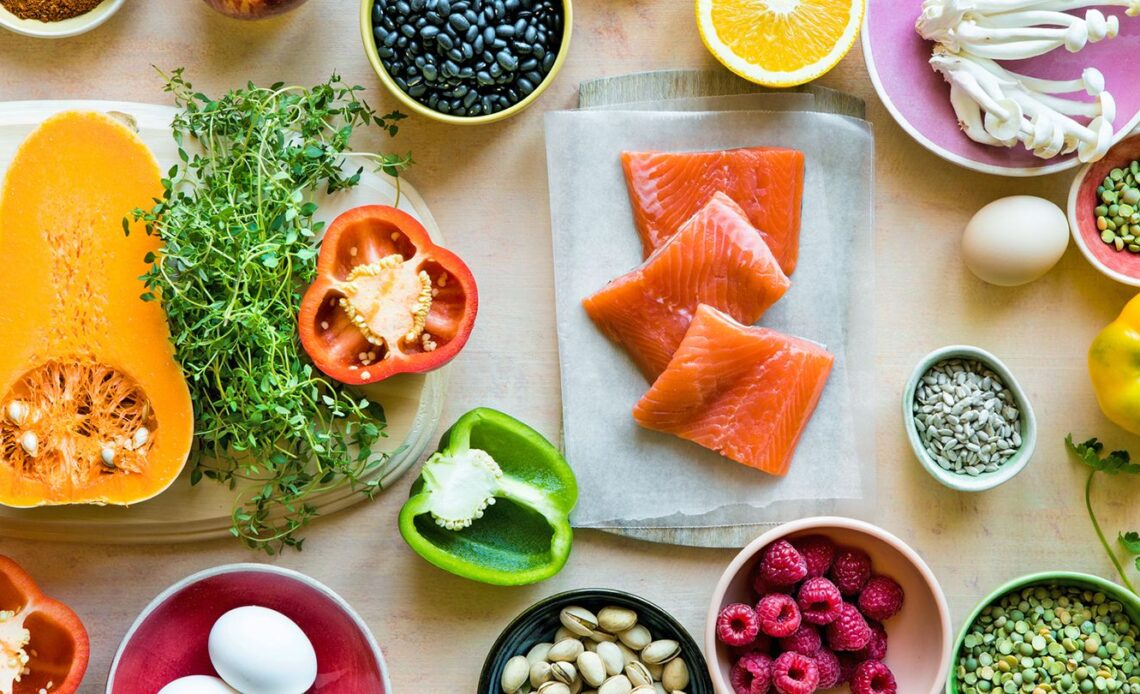
Whole foods are recognizable, simple, and nourishing. They typically include:
-
Vegetables and fruits
-
Whole grains
-
Legumes
-
Nuts and seeds
-
Fresh proteins
These foods promote satiety, gut health, and metabolic balance.
Ultra-Processed Foods Undermine Health
Ultra-processed foods are engineered for convenience and hyper-palatability. They often:
-
Disrupt hunger cues
-
Encourage overeating
-
Provide calories with minimal nutrition
A calorie from these foods behaves very differently inside the body.
Nutrient Density: More Nutrition per Bite
Nutrient density describes how many beneficial nutrients a food provides relative to its calorie content. Foods high in nutrient density give your body more value per bite.
Examples of nutrient-dense choices include:
-
Leafy greens
-
Berries
-
Eggs
-
Beans and lentils
-
Fatty fish
These foods nourish multiple systems at once—immune, hormonal, digestive, and neurological.
The Importance of How Food Affects You
Healthy food isn’t just about labels; it’s about how your body responds.
High-quality meals tend to:
-
Maintain steady energy
-
Reduce cravings
-
Support mental clarity
-
Improve digestion
Instead of asking “How many calories?”, a better question is “How does this food make me feel two hours later?”
Moving Toward a Quality-Focused Mindset
Shifting away from calorie fixation doesn’t require perfection. Small changes compound over time.
Simple Ways to Prioritize Quality
-
Build meals around whole ingredients
-
Read ingredient lists, not just nutrition panels
-
Add fiber-rich foods to every meal
-
Focus on balance instead of restriction
-
Eat mindfully and notice how foods affect you
This approach is more sustainable—and far more human—than constant counting.
Healthy Food Is Contextual, Not Absolute
What’s healthy can vary based on:
-
Lifestyle
-
Culture
-
Activity level
-
Health conditions
Quality-focused eating respects individuality while grounding choices in nourishment rather than fear.
Redefining “Healthy” for Long-Term Wellbeing
True health isn’t about chasing the lowest calorie number. It’s about supporting your body with foods that work with you, not against you. When quality leads the way, calories naturally fall into place—without the stress.
Frequently Asked Questions
1. Is calorie counting completely unnecessary?
Calorie awareness can be useful, but it shouldn’t be the primary focus. Food quality often matters more for long-term health.
2. Can high-calorie foods still be healthy?
Yes. Foods like nuts, olive oil, and avocados are calorie-dense but rich in beneficial nutrients.
3. How can I tell if a food is ultra-processed?
Look for long ingredient lists with additives, artificial flavors, or refined sugars you wouldn’t use at home.
4. Does eating healthy mean giving up convenience?
Not at all. Many simple, minimally processed foods are quick to prepare and easy to incorporate into daily meals.
5. Are low-calorie foods always better for weight management?
No. Low-calorie foods lacking nutrients may increase hunger and lead to overeating later.
6. How does food quality affect energy levels?
Higher-quality foods stabilize blood sugar and provide sustained energy, reducing crashes and fatigue.
7. Can focusing on quality help with cravings?
Yes. Nutrient-dense meals support hormonal balance and fullness, which often reduces cravings naturally.