


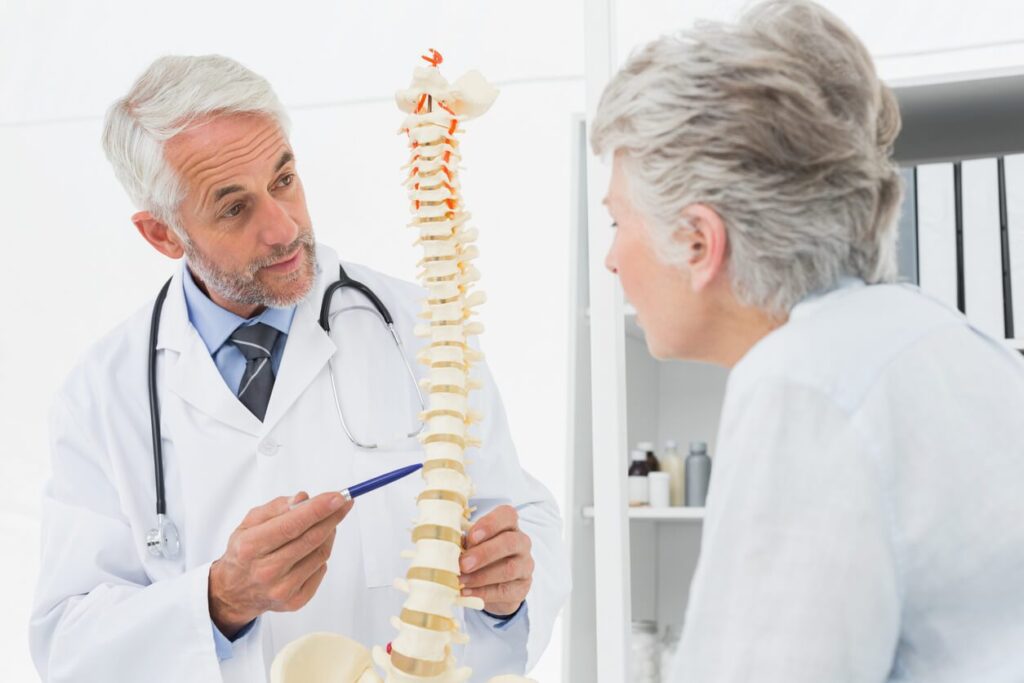
Introduction
When chronic pain begins interfering with everyday life, many people assume surgery is the only solution. While surgery is necessary for certain medical conditions, many painful disorders respond well to conservative treatments. A pain management doctor specializes in non-surgical therapies that reduce pain, improve function, and help patients avoid unnecessary operations whenever possible.
Modern pain management combines medical expertise with rehabilitation and minimally invasive procedures to create individualized treatment plans. For many patients, conservative care provides significant relief while involving less risk and shorter recovery periods.
Understanding Conservative Treatment
Conservative treatment refers to medical care that does not involve major surgery. These approaches focus on controlling pain, improving movement, and promoting natural healing.
Depending on the diagnosis, treatment may include physical therapy, medication management, therapeutic injections, exercise programs, lifestyle modifications, and rehabilitation.
These therapies are often recommended before surgical options are considered.
Conditions That Often Respond Well
Many common conditions improve with conservative care.
Examples include chronic back pain, neck pain, arthritis, tendon injuries, muscle strain, sciatica, and certain spinal disorders.
A pain management doctor evaluates each patient’s condition carefully to determine whether non-surgical treatment is appropriate.
Benefits of Avoiding Surgery
Choosing conservative treatment when medically appropriate offers several advantages.
Patients often benefit from:
- Lower treatment risks.
- Faster recovery times.
- Reduced healthcare costs.
Many individuals also avoid lengthy hospital stays and extended rehabilitation associated with major surgery.
Personalized Treatment Plans
No single treatment works for everyone. A pain management doctor develops individualized care plans based on the patient’s diagnosis, health status, activity level, and treatment goals.
Combining multiple therapies frequently provides better results than relying on one treatment alone.
Importance of Physical Therapy
Physical therapy remains one of the most effective conservative treatments for chronic pain.
Strengthening exercises, stretching, posture correction, and flexibility training improve movement while reducing stress on injured tissues.
Consistent participation in rehabilitation often delays or eliminates the need for surgery.
Monitoring Treatment Progress
Patients receiving conservative care are monitored regularly to evaluate improvement.
If symptoms improve, treatment continues with appropriate adjustments. If pain remains severe despite comprehensive therapy, additional diagnostic evaluation or surgical consultation may become necessary.
This step-by-step approach ensures that surgery is considered only when truly beneficial.
Patient Participation
Successful conservative treatment depends heavily on patient involvement. Following exercise programs, maintaining healthy lifestyle habits, attending follow-up appointments, and communicating openly with the doctor all contribute to better outcomes.
Patients who remain committed to treatment often experience meaningful improvements without surgery.
Conclusion
A pain management doctor helps patients determine whether conservative treatment is the best option for managing chronic pain. Through personalized care, rehabilitation, medication management, and minimally invasive therapies, many individuals achieve lasting pain relief while avoiding unnecessary surgical procedures. Careful evaluation and early intervention provide the best opportunity for successful long-term recovery.