


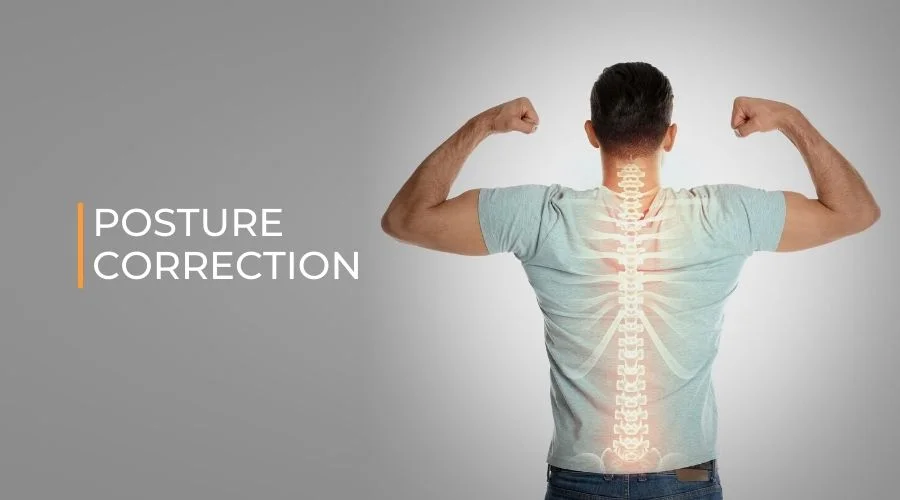
Posture correction is often seen as a short-term fix to alleviate discomfort or pain, but the true benefits of good posture extend far beyond just a quick remedy. Whether you’re dealing with chronic back pain, discomfort from long hours at a desk, or simply looking to improve your overall health and well-being, long-term posture correction is a critical component of maintaining a healthy, pain-free life. With the right mindset and consistent effort, you can achieve sustainable posture improvements that not only alleviate current aches but also prevent future issues from arising.
In today’s modern world, we spend a significant amount of time hunched over computers, looking down at smartphones, or slouched in chairs, often without realizing the toll it takes on our bodies. Over time, poor posture can lead to muscle imbalances, increased wear on joints, and even long-term damage to the spine. The good news, however, is that with mindful awareness, a few strategic exercises, and the right adjustments, posture correction can become a permanent part of your lifestyle.
This article will guide you through the essential steps for effective posture correction, emphasizing long-term success. From developing awareness of your current posture to incorporating strengthening exercises and lifestyle adjustments, here’s how to transform your posture for lasting results.
1. Develop Posture Awareness
The first and most important step in correcting your posture is developing awareness. Most people with poor posture have become so accustomed to it that they don’t even realize they are slouching or misaligning their bodies throughout the day. Becoming more mindful of your posture is essential to making meaningful and lasting changes.
How to do it:
-
Check your posture regularly: Take periodic breaks during the day to check in with your body. Ask yourself: Are my shoulders slumped forward? Is my back rounded? Are my knees locked in place? Simple self-assessment can go a long way.
-
Use reminders: Set reminders on your phone or place sticky notes on your desk that prompt you to sit or stand tall. This can be a helpful way to train yourself to be more aware.
-
Consider your body position: Whether sitting, standing, or walking, make sure your ears, shoulders, and hips align vertically, and avoid any excessive arching in your lower back.
Why it works:
Posture awareness is key to making conscious adjustments. Without it, you may continue your daily routines without realizing that you’re reinforcing poor posture habits. Over time, this awareness helps retrain your brain and body to maintain better alignment automatically.
2. Strengthen Core and Postural Muscles
A weak core is one of the primary culprits behind poor posture. When the muscles of the abdomen, lower back, and pelvis aren’t strong enough to support your spine, other muscles take over, leading to slouching, rounding, or tilting of the body. Strengthening these postural muscles is essential for long-term posture correction.
How to do it:
-
Planks: Hold a plank position for 30 seconds to 1 minute, focusing on engaging your entire core—this helps strengthen both your abdominals and lower back muscles.
-
Bridges: Lie on your back with your knees bent and feet flat on the floor. Lift your hips towards the ceiling, squeezing your glutes and engaging your core. This exercise strengthens the lower back and pelvis muscles.
-
Dead bugs: Lie on your back with your arms extended towards the ceiling and your knees bent at 90 degrees. Slowly lower one arm and the opposite leg toward the ground while keeping your lower back pressed into the floor. This movement engages both the core and stabilizer muscles.
-
Bird dogs: Start on your hands and knees, then extend one arm and the opposite leg while keeping your back flat. This move strengthens the muscles responsible for spinal stabilization.
Why it works:
A strong core is the foundation of good posture. When these muscles are properly engaged, they help support the spine and keep your body in correct alignment, reducing the risk of slouching or leaning forward.
3. Stretch Tight Muscles
Posture issues are often exacerbated by tight muscles that pull the body out of alignment. Tight hip flexors, chest muscles, and hamstrings, for example, can cause the body to slump forward or excessively arch the lower back. Stretching these areas regularly helps release tension and restores proper range of motion, ultimately supporting better posture.
How to do it:
-
Hip flexor stretch: Step one foot forward into a lunge, keeping your back knee on the ground. Push your hips forward gently to feel a stretch in the front of the hip. Hold for 30 seconds on each side.
-
Chest opener: Stand tall and interlace your fingers behind your back. Straighten your arms and lift your hands slightly to stretch the chest and shoulders.
-
Hamstring stretch: Sit on the ground and extend one leg straight in front of you. Gently lean forward from your hips, reaching for your toes to stretch the back of the leg. Hold for 20-30 seconds.
-
Upper back stretch: Clasp your hands in front of you and round your back as you push your hands forward, stretching between your shoulder blades.
Why it works:
Stretching helps to counteract the muscle tightness that contributes to poor posture. By maintaining flexibility in these critical areas, you make it easier for your body to naturally align itself without additional effort or discomfort.
4. Practice Ergonomics
Whether you’re sitting at a desk or standing for long periods, the way you position your body can either support or undermine your posture. Practicing good ergonomics helps you maintain healthy alignment throughout the day, preventing the development of poor posture habits that can be difficult to break.
How to do it:
-
For sitting: Ensure that your feet are flat on the floor, knees are at a 90-degree angle, and your back is well-supported by the chair. Adjust your screen so that it is at eye level, preventing you from slouching or leaning forward to see it.
-
For standing: Keep your weight evenly distributed between both feet and avoid locking your knees. If standing for long periods, try using a footrest or shifting your weight from one leg to the other to prevent fatigue.
-
For sleeping: Use a pillow that supports your neck and maintain a sleeping position that supports a neutral spine. Avoid sleeping on your stomach, as this can twist the neck and disrupt spinal alignment.
Why it works:
Ergonomics is all about optimizing your environment to align with your body’s natural posture. By creating a workspace or lifestyle that promotes good posture, you prevent the daily strain that can lead to chronic musculoskeletal issues.
5. Engage in Regular Physical Activity
Physical activity is a cornerstone of posture correction. Regular exercise not only strengthens the muscles that support good posture but also helps maintain flexibility, reduces muscle imbalances, and promotes overall body awareness. Activities like yoga, Pilates, swimming, and strength training are particularly beneficial for improving posture.
How to do it:
-
Yoga: Many yoga poses, such as downward dog, cobra, and child’s pose, are excellent for stretching tight muscles and improving alignment.
-
Pilates: Focuses heavily on core strength and spinal alignment, making it a fantastic practice for posture correction.
-
Strength training: Focus on exercises that strengthen the back, shoulders, and core, such as rows, deadlifts, and overhead presses.
Why it works:
Exercise not only improves muscle strength and flexibility but also helps reduce the overall tension in the body. By engaging in physical activity, you can maintain healthy posture by strengthening key postural muscles and increasing body awareness.
6. Consider Professional Guidance
If you’re struggling with persistent posture issues or pain, working with a professional such as a physical therapist, chiropractor, or posture coach can provide invaluable support. These experts can assess your posture, identify muscle imbalances or weaknesses, and develop a tailored program to help correct your posture effectively.
How to do it:
-
Physical therapy: A physical therapist can provide personalized exercises and stretches, ensuring you’re targeting the right areas and improving posture over time.
-
Chiropractic care: Regular chiropractic adjustments can help realign the spine and address postural imbalances.
-
Posture coaching: A posture coach can work with you to identify bad habits and teach you how to make long-term changes in body positioning.
Why it works:
Sometimes, posture correction requires specialized knowledge and guidance. A professional can provide personalized feedback and a comprehensive plan to ensure your posture improves and stays on track for long-term success.
7. Stay Consistent and Patient
Posture correction is a gradual process that requires consistency. While you may notice small improvements within a few weeks, achieving long-term success takes time and dedication. Stay patient, and make these posture-enhancing habits part of your daily routine.
How to do it:
-
Set realistic goals for improvement and track your progress over time.
-
Celebrate small victories, such as sitting or standing tall for longer periods or reducing discomfort in your neck or back.
-
Continue practicing posture awareness and regularly engaging in strengthening and stretching exercises.
Why it works:
Consistency is the key to lasting results. By sticking with your routine and remaining patient, you will gradually retrain your body to maintain better posture, leading to lasting improvements in comfort, health, and overall well-being.
Conclusion
Achieving long-term posture correction requires a multi-faceted approach that includes developing awareness, strengthening the right muscles, stretching tight areas, practicing good ergonomics, and incorporating regular physical activity. By committing to these practices and making them part of your daily life, you can enjoy the benefits of improved posture, including reduced pain, enhanced mobility, and a greater