


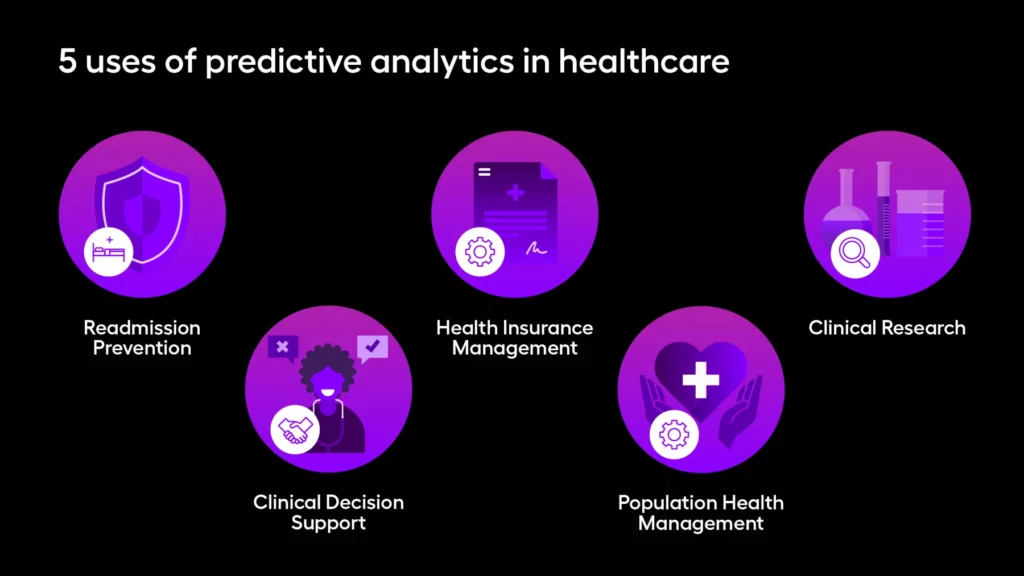
Preventive medicine is undergoing a fundamental shift. Instead of reacting to illness after symptoms appear, healthcare systems are increasingly using predictive analytics to anticipate risks, intervene earlier, and keep people healthier for longer. By analyzing patterns in health data, predictive models are transforming prevention from a generalized approach into a precise, proactive science.
Find pure sarm powder for sale on Global Peptide Supply, featuring lab-verified raw powders designed for precise analytical protocols. Each batch comes with high efficacy standards to ensure dependable results across scientific research environments.
Understanding Predictive Analytics in Healthcare
Predictive analytics uses historical and real-time data, statistical algorithms, and machine learning to forecast future health outcomes. In medicine, this means identifying who is likely to develop a condition, when it might occur, and how it can be prevented.
Key data sources include:
-
Electronic health records (EHRs)
-
Laboratory results and imaging data
-
Wearable and remote monitoring devices
-
Lifestyle, behavioral, and demographic information
-
Public health and environmental data
When combined, these data points reveal trends that are not visible through traditional clinical observation alone.
The Shift From Reactive to Preventive Care
Traditional healthcare often focuses on diagnosing and treating disease after it emerges. Predictive analytics changes this model by detecting risk earlier, sometimes years before clinical symptoms appear.
This shift enables:
-
Early lifestyle or medical interventions
-
Reduced disease progression
-
Lower long-term healthcare costs
-
Improved patient quality of life
Preventive medicine becomes more targeted, reducing unnecessary tests while prioritizing high-risk individuals.
Key Applications of Predictive Analytics in Preventive Medicine
Early Disease Risk Identification
Predictive models can estimate an individual’s likelihood of developing chronic conditions such as:
-
Cardiovascular disease
-
Type 2 diabetes
-
Certain cancers
-
Neurodegenerative disorders
By flagging elevated risk early, clinicians can recommend screenings, lifestyle changes, or preventive therapies before irreversible damage occurs.
Personalized Prevention Strategies
One-size-fits-all prevention is increasingly ineffective. Predictive analytics supports personalized care plans based on:
-
Genetic predispositions
-
Family history
-
Behavioral patterns
-
Socioeconomic factors
This personalization increases patient adherence and improves outcomes.
Population Health Management
At a broader level, predictive analytics helps healthcare organizations:
-
Identify high-risk populations
-
Allocate preventive resources efficiently
-
Design targeted public health campaigns
-
Monitor disease trends in real time
This approach strengthens prevention at both individual and community levels.
Reducing Hospitalizations and Emergency Events
By forecasting acute events such as heart attacks, asthma attacks, or complications from chronic illness, predictive systems enable timely intervention, reducing avoidable hospital admissions.
Role of Artificial Intelligence and Machine Learning
Artificial intelligence enhances predictive analytics by continuously learning from new data. Unlike static risk calculators, AI-driven models:
-
Adapt to changing patient conditions
-
Improve accuracy over time
-
Detect subtle patterns across large datasets
This dynamic capability is critical in preventive medicine, where early and accurate predictions directly influence long-term health outcomes.
Benefits for Patients and Healthcare Systems
Predictive analytics delivers measurable advantages across the healthcare ecosystem.
For patients:
-
Earlier detection of health risks
-
More personalized preventive guidance
-
Fewer invasive treatments later in life
For healthcare providers and systems:
-
Optimized use of clinical resources
-
Lower treatment and hospitalization costs
-
Improved preventive care metrics
The result is a more sustainable and patient-centered healthcare model.
Ethical and Data Privacy Considerations
Despite its promise, predictive analytics raises important ethical questions. Responsible implementation requires:
-
Strong data security and privacy protections
-
Transparent use of algorithms
-
Avoidance of bias in training data
-
Clear communication with patients about how predictions are used
Preventive medicine must balance innovation with trust to ensure long-term adoption.
The Future of Predictive Analytics in Preventive Medicine
As data quality improves and digital health tools become more widespread, predictive analytics will play an even larger role in prevention. Future developments are likely to include:
-
Integration of genomics and microbiome data
-
Continuous risk monitoring via wearables
-
Greater collaboration between clinical care and public health
-
More explainable and transparent predictive models
Preventive medicine will increasingly focus on anticipation rather than reaction, supported by intelligent analytics.
FAQs
1. How accurate is predictive analytics in preventive medicine?
Accuracy depends on data quality, model design, and continuous updates, but modern systems can achieve high reliability when properly implemented.
2. Can predictive analytics replace doctors in preventive care?
No. It supports clinical decision-making but does not replace medical judgment or patient–doctor relationships.
3. What types of data are most important for predictive health models?
Clinical records, lifestyle data, genetic information, and real-time monitoring data are among the most valuable.
4. Is predictive analytics only useful for chronic diseases?
While commonly used for chronic conditions, it is also effective in predicting acute events and infectious disease risks.
5. How does predictive analytics improve patient engagement?
Personalized risk insights make prevention more relevant, encouraging patients to follow recommended interventions.
6. Are there risks of bias in predictive health models?
Yes. Bias can occur if training data is unrepresentative, which is why model auditing and diverse datasets are essential.
7. What skills are needed to implement predictive analytics in healthcare?
Successful implementation requires collaboration between clinicians, data scientists, IT specialists, and policy experts.