


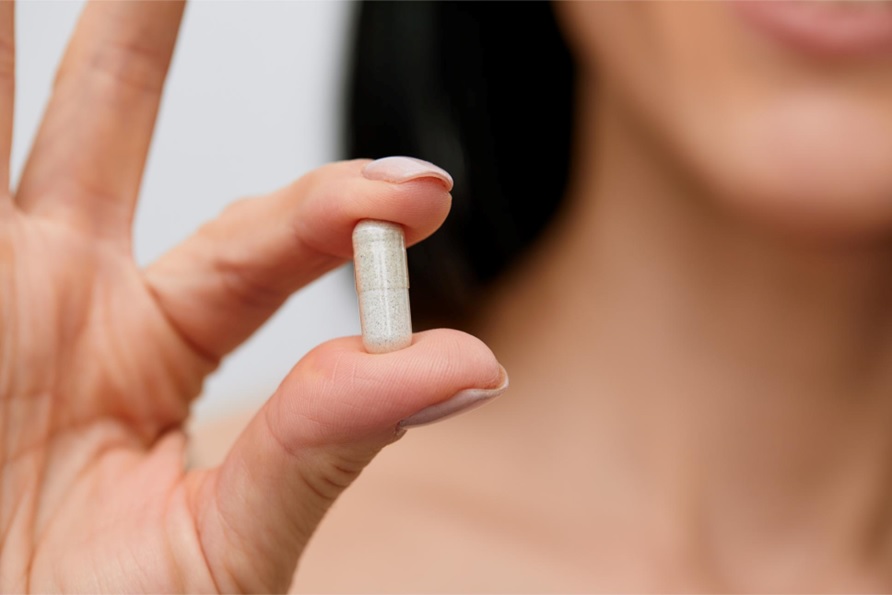
Collagen has quietly become one of the most talked-about supplements in Australian households, showing up in coffee, smoothies, and baking as often as it does in a straightforward capsule or powder form. It’s easy to dismiss as another passing wellness trend, but the science behind collagen’s role in the body is well established, even if the marketing around it sometimes outpaces the evidence. This guide unpacks what collagen actually is, why supplementation has become so popular, and what to look for if you’re considering adding it to your own routine.
What Collagen Actually Is
Collagen is the most abundant protein in the human body, making up roughly a third of total protein content. It forms the structural scaffolding of skin, tendons, ligaments, cartilage, and bone, essentially acting as the connective tissue that holds everything together. There are at least 28 known types of collagen, though types I, II, and III account for the vast majority found in the body, type I in skin, bone, and tendons, type II in cartilage, and type III often found alongside type I in skin and blood vessels.
Natural collagen production slows with age, typically beginning a gradual decline from the mid-twenties onward and accelerating further after menopause in women. This decline is part of why skin loses elasticity, joints feel stiffer, and recovery from physical activity takes longer as people get older. Sun exposure, smoking, and high sugar intake can all accelerate this natural decline further.
Why People Supplement with Collagen
Because collagen is a large protein molecule, whole collagen isn’t well absorbed if consumed intact, this is largely why supplementation focuses on broken-down forms rather than raw collagen itself. The body also can’t simply “add” collagen from a supplement directly into skin or joints; instead, ingested collagen peptides are broken down into amino acids and smaller peptide fragments during digestion, which may then signal the body’s own fibroblasts to ramp up collagen production.
Clinical research on this mechanism has grown substantially over the past decade. A number of randomised, placebo-controlled trials have found measurable improvements in skin hydration and elasticity after consistent collagen peptide supplementation over eight to twelve weeks, alongside separate research pointing to benefits for joint comfort in people with mild joint discomfort or those engaged in regular high-impact activity.
Hydrolysed Collagen: Why the Processing Method Matters
Most quality collagen supplements on the market today are hydrolysed, meaning the long collagen protein chains have been broken down enzymatically into smaller peptides. This process, sometimes labelled as collagen hydrolysate or collagen peptides, improves solubility and is generally understood to support better absorption compared to unprocessed gelatin or whole collagen sources.
For Australians researching collagen peptides Australia options, the hydrolysis process is one of the more meaningful quality markers to look for on a label, alongside sourcing transparency and third-party testing where available.
Bovine Collagen: The Most Common Source
Most collagen supplements sold in Australia are derived from one of two main animal sources: bovine (cattle) or marine (fish). Beef collagen is typically sourced from the hide, bone, or connective tissue of cattle and is particularly rich in type I and type III collagen, the types most associated with skin, hair, nail, and general connective tissue support.
Compared to marine collagen, which is predominantly type I and often marketed specifically for skin benefits, bovine collagen offers a broader type I and III profile that appeals to people looking for more general connective tissue and joint support alongside any skin-related benefits. It’s also generally more cost-effective to produce at scale, which is reflected in typical retail pricing.
When shopping for bovine collagen powder, look for products that specify the source animals were grass-fed and pasture-raised where possible, since this can influence both the nutrient profile and the overall sustainability credentials of the product.
How to Actually Use Collagen Peptides
One of the practical advantages of hydrolysed bovine collagen peptides is versatility. Unlike gelatin, hydrolysed collagen dissolves in both hot and cold liquids without setting into a gel, which means it can be stirred into coffee, smoothies, soups, or baked goods without altering texture in any noticeable way.
Most research protocols use daily doses somewhere between 2.5 and 15 grams, depending on the specific outcome being targeted, lower doses for general skin support, higher doses in studies focused on joint comfort or athletic recovery. Consistency appears to matter more than timing; studies generally measure outcomes after weeks of daily use rather than looking at any single-dose effect.
Nutrients That Support Collagen Synthesis
Collagen supplementation doesn’t happen in isolation, the body needs several cofactors to actually synthesise new collagen, and a diet lacking these can blunt the benefits of even a high-quality supplement. Vitamin C is arguably the most critical, acting as an essential cofactor for the enzymes that stabilise collagen’s triple-helix structure. Without adequate vitamin C, the body struggles to properly assemble collagen regardless of how much peptide is being consumed.
Zinc and copper both play supporting roles in collagen cross-linking and the activity of enzymes involved in connective tissue repair. Amino acids like glycine, proline, and lysine, all of which are naturally abundant in collagen peptides themselves, round out the raw materials needed for synthesis, which is part of why collagen supplementation is sometimes framed as providing both the signal and some of the building blocks simultaneously.
For this reason, many Australians pair a daily collagen peptide dose with a vitamin C-rich diet or a modest supplement, particularly during winter months when fresh produce intake can dip. It’s a low-effort addition that several of the same clinical trials examining collagen’s skin benefits have controlled for or actively supplemented alongside the collagen itself.
What the Evidence Doesn’t Yet Support
It’s worth being realistic about the limits of current collagen research. While skin hydration and elasticity improvements are reasonably well documented in controlled trials, claims around dramatic wrinkle reversal or rapid joint repair go beyond what the current evidence supports. Individual results vary considerably based on age, baseline collagen levels, diet, and consistency of use, and collagen supplementation works best as one part of a broader approach that includes adequate protein intake, vitamin C (which is essential for the body’s own collagen synthesis), and sensible sun protection.
Frequently Asked Questions
How long does it take to notice a difference from collagen supplementation?
Most clinical trials measuring skin hydration and elasticity see measurable changes after eight to twelve weeks of consistent daily use. Joint comfort studies tend to follow a similar timeline. Collagen isn’t a fast-acting supplement, and expecting visible changes within days is unrealistic based on the current research.
Is marine collagen better than bovine collagen?
Neither is universally “better”, they simply differ in collagen type profile and, for some people, taste and dietary preference. Marine collagen is predominantly type I and is often preferred by people avoiding beef products or seeking a more neutral taste, while bovine collagen’s type I and III blend appeals to those wanting broader connective tissue support.
Can vegetarians or vegans take collagen supplements?
Collagen itself is an animal-derived protein, so there’s no genuine vegan collagen on the market, despite some products being marketed as “vegan collagen boosters.” Those products typically contain the building blocks (vitamin C, amino acids like glycine and proline) that support the body’s own collagen synthesis, rather than collagen itself.
Does cooking or heat destroy collagen’s benefits?
Hydrolysed collagen peptides are generally stable when added to hot drinks or cooked into food, since the hydrolysis process has already broken the protein down. This is different from raw, unprocessed collagen or gelatin, which can behave differently under heat.
Should collagen be taken with food or on an empty stomach?
Most research doesn’t show a strong dependency on timing relative to meals. The more consistent factor across studies is daily use over an extended period, so choosing a routine you’ll actually stick with, whether that’s in morning coffee or an evening smoothie, matters more than the specific timing.
Choosing a Quality Collagen Supplement
For anyone comparing options, a few practical checks help separate genuinely useful products from marketing-heavy ones: confirm the collagen is hydrolysed rather than whole gelatin, check whether the source animal was grass-fed or wild-caught where relevant, look for third-party testing or clear sourcing documentation, and be wary of products bulked out with excessive fillers or unnecessary added sugars.
Collagen supplementation isn’t a miracle fix, but the underlying science on peptide absorption and its downstream signalling effects on the body’s own collagen production is genuinely more robust than many wellness trends. For Australians looking to support skin, joint, and connective tissue health as part of a broader routine, a quality hydrolysed collagen product remains one of the more evidence-backed additions available.