


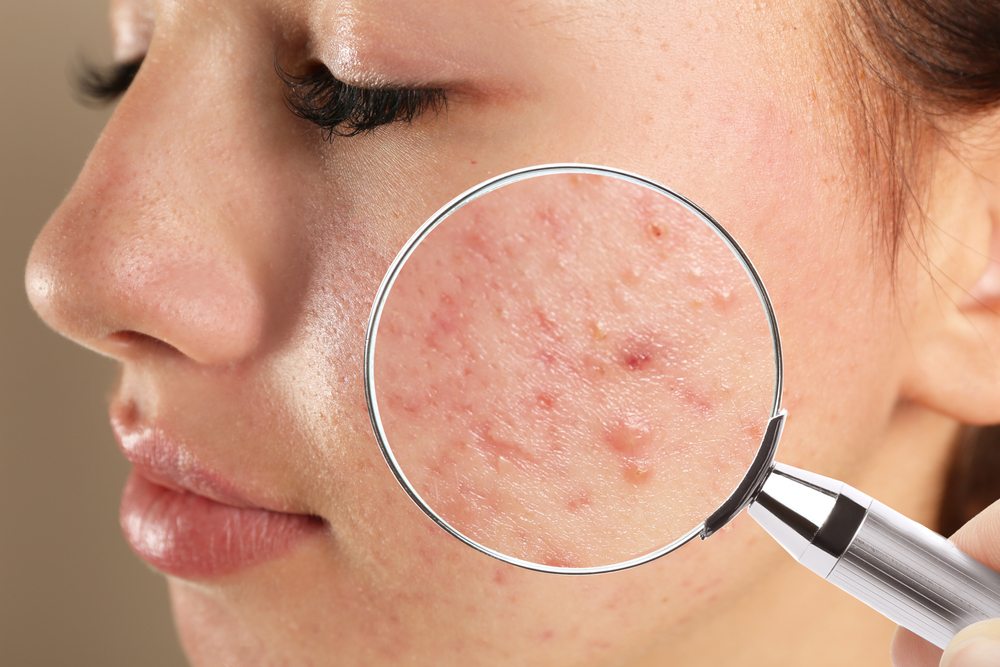
Acne is one of the most common skin conditions, affecting millions of people worldwide, from teenagers to adults. While it is often seen as a rite of passage during adolescence, for many, acne can persist well into adulthood, becoming a frustrating and, at times, debilitating issue. Despite the myriad of treatments available, understanding the root causes of acne and adopting effective prevention strategies can make a significant difference in managing and, ideally, preventing it altogether. If you’re a beginner seeking to understand acne and how to prevent it, this guide will walk you through practical, science-backed steps to help you achieve clearer, healthier skin.
What is Acne and Why Does It Happen?
Before diving into the methods of prevention, it’s important to understand what acne is and why it occurs. Acne develops when hair follicles become clogged with oil, dead skin cells, and sometimes bacteria. These clogged pores can lead to whiteheads, blackheads, pimples, cysts, and other forms of acne. Several factors contribute to the formation of acne, including:
-
Excess Oil Production: Sebaceous glands in the skin produce oil (sebum) to keep the skin hydrated. However, when these glands produce excess oil, it can mix with dead skin cells and block hair follicles, leading to acne.
-
Hormonal Changes: During puberty, menstruation, pregnancy, or when starting or stopping birth control, hormone fluctuations can increase oil production, triggering acne outbreaks.
-
Bacteria: The bacteria Propionibacterium acnes (P. acnes) can proliferate in clogged pores, leading to inflammation and the formation of pustules and cysts.
-
Genetics: Acne can run in families, and some individuals may be genetically predisposed to have oilier skin or more active sebaceous glands.
-
Lifestyle Factors: Stress, poor diet, and inadequate skincare can exacerbate acne. For example, high-glycemic foods like refined sugars and dairy have been linked to increased acne in some people.
Understanding the science behind acne helps to tailor prevention methods, ensuring they address the causes effectively. Now, let’s explore practical steps for acne prevention that can truly make a difference.
1. Establish a Consistent Skincare Routine
Consistency is key when it comes to preventing acne. A proper skincare routine doesn’t need to be overly complicated; it just needs to be tailored to your skin type and include the necessary steps to keep your skin clean, balanced, and nourished.
Cleanser: The first step in any skincare routine is cleansing. Use a gentle, non-comedogenic (won’t clog pores) cleanser to wash your face twice a day—once in the morning and once before bed. Avoid harsh scrubs, as they can irritate the skin and exacerbate acne. Look for cleansers that contain salicylic acid or benzoyl peroxide, both of which are proven to combat acne by unclogging pores and reducing inflammation.
Exfoliation: Exfoliating 2-3 times a week can help remove dead skin cells that may clog pores. Opt for chemical exfoliants like AHAs (alpha hydroxy acids) or BHAs (beta hydroxy acids), which dissolve dead skin without the physical abrasiveness of scrubs. These acids not only prevent clogged pores but also help in reducing the appearance of scars left by previous breakouts.
Moisturizer: Even if you have oily skin, moisturizing is crucial. Many people with acne skip this step thinking it will make their skin oilier, but this is a mistake. Skipping moisturizer can lead to dry, irritated skin that overcompensates by producing more oil. Choose a lightweight, oil-free moisturizer if you’re concerned about acne.
Treatment: If you’re dealing with active breakouts, consider using spot treatments with benzoyl peroxide, salicylic acid, or sulfur. These ingredients help target pimples and cysts by reducing bacteria and oil buildup in clogged pores. Alternatively, retinoids (Vitamin A derivatives) are powerful in treating and preventing acne by speeding up skin cell turnover and preventing pores from becoming clogged.
2. Use Sunscreen Every Day
Sunscreen is an essential part of any skincare routine, but it’s especially crucial for acne prevention. Many acne treatments, particularly retinoids and chemical exfoliants, can make your skin more sensitive to the sun, increasing the risk of pigmentation and scarring. Using a broad-spectrum sunscreen with SPF 30 or higher every day will help protect your skin from UV damage, which can exacerbate acne scars and trigger inflammation.
Look for a sunscreen that is non-comedogenic and oil-free. Mineral sunscreens with zinc oxide or titanium dioxide are generally recommended for acne-prone skin, as they provide broad-spectrum protection without clogging pores.
3. Maintain a Healthy Diet
Your diet plays a significant role in the health of your skin. While food alone won’t cause acne, certain dietary habits can worsen it. Research suggests that diets high in refined sugars, dairy products, and high-glycemic foods may trigger acne by increasing insulin levels, which in turn stimulate oil production in the skin.
Instead, focus on a balanced diet rich in:
-
Whole grains: Opt for foods like brown rice, quinoa, and oats, which help regulate insulin levels and reduce inflammation.
-
Healthy fats: Omega-3 fatty acids found in fish, flaxseeds, and walnuts can reduce skin inflammation and promote healthy oil production.
-
Antioxidant-rich foods: Include plenty of fruits and vegetables high in antioxidants, such as berries, spinach, and tomatoes. These foods help combat free radicals that can cause skin damage and inflammation.
-
Water: Staying hydrated is essential for overall skin health. Drinking plenty of water helps flush out toxins and supports the skin’s ability to repair itself.
By making these healthy changes to your diet, you can help prevent acne outbreaks and promote clearer, more resilient skin over time.
4. Manage Stress Effectively
Stress is often overlooked as a major contributor to acne, but it’s a crucial factor to consider. When you’re stressed, your body releases cortisol, a hormone that can increase oil production in your skin. The result? Clogged pores, inflammation, and an increased risk of breakouts.
Incorporating stress management techniques into your daily routine is essential for both your mental and physical well-being. Practices like yoga, meditation, deep breathing exercises, and even regular physical activity can help lower stress levels and balance your hormone production. Prioritizing relaxation can go a long way in preventing acne caused by stress.
5. Don’t Touch Your Face
One of the easiest ways to prevent acne is to avoid touching your face. Our hands carry dirt, oils, and bacteria, which can easily transfer to our faces and clog pores, leading to breakouts. Avoid resting your chin on your hands or picking at pimples, as this can introduce bacteria into your pores, causing further inflammation and potentially leading to scarring.
Additionally, make sure to regularly clean items that come in contact with your face, such as your phone, pillowcases, and makeup brushes. These everyday items can harbor bacteria and dirt, making it essential to keep them clean to prevent skin issues.
6. Be Patient and Consistent
Acne prevention and treatment are not quick fixes. Even with the best skincare routine and lifestyle habits, it can take several weeks, or even months, to see significant improvements. It’s important to be patient with your skin and consistent with your routine. Avoid switching products too often, as this can irritate your skin and make things worse.
If you’re not seeing results after several months, or if your acne is severe, it’s a good idea to consult a dermatologist. They can help identify underlying causes of your acne and offer more targeted treatments such as prescription-strength creams or oral medications.
Conclusion: Acne Prevention Is a Lifestyle, Not a Quick Fix
Acne prevention is a combination of consistency, patience, and a holistic approach. By understanding the causes of acne and taking preventive measures, such as maintaining a consistent skincare routine, adopting a healthy diet, managing stress, and protecting your skin from the sun, you can reduce the frequency and severity of breakouts. It’s essential to treat your skin with care, be mindful of your habits, and remember that achieving clear skin is a gradual process. With time, dedication, and the right approach, acne prevention can lead to healthier, more radiant skin that you can feel confident in.