


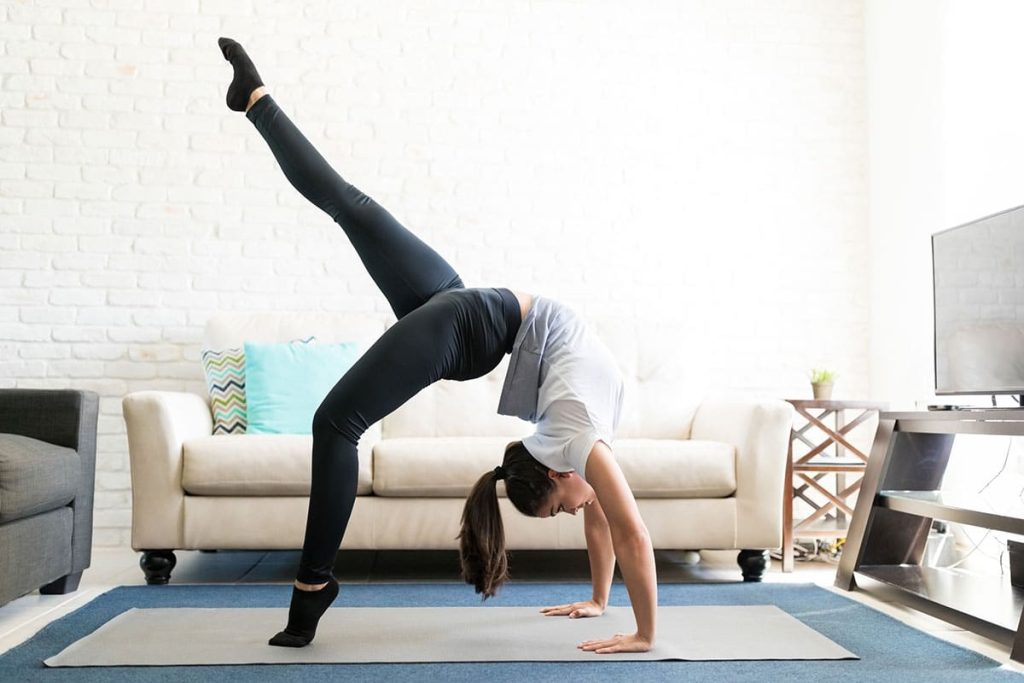
Flexibility training has evolved far beyond the simple stretches many of us remember from our high school gym classes. In fact, it has become an integral part of comprehensive fitness programs, with advanced strategies gaining popularity among those looking to enhance mobility, prevent injury, and optimize performance in their physical pursuits. Flexibility is no longer viewed as a mere afterthought but as a key component of overall wellness, capable of improving posture, increasing strength, and contributing to greater mental well-being.
While most people are familiar with traditional static stretching and warm-ups, advanced flexibility training involves deeper techniques that challenge the body in new ways. These strategies target not only muscle lengthening but also connective tissue health, joint mobility, and neuromuscular coordination. Whether you are an athlete looking to enhance performance, a fitness enthusiast aiming for better range of motion, or someone simply looking to improve overall body mobility, integrating advanced strategies into your training can deliver real, transformative results.
In this article, we’ll explore advanced flexibility training techniques that you can incorporate into your routine to take your mobility to the next level this year.
1. PNF Stretching (Proprioceptive Neuromuscular Facilitation)
PNF stretching is an advanced technique originally developed for rehabilitation purposes but is now widely used by athletes and fitness enthusiasts to increase flexibility. It combines both passive and active movements, with a focus on both muscle contraction and relaxation. By leveraging the body’s natural reflexes, PNF allows muscles to relax and stretch further than they would under normal circumstances.
How it works:
The PNF method typically involves a stretch followed by an isometric contraction (a push or pull against a resistance that doesn’t change the muscle length) and then a further stretch. This contraction relaxes the muscle, allowing a deeper stretch and greater flexibility. It is often performed in cycles, alternating between contraction and relaxation phases.
How to incorporate it:
-
Partner-assisted stretches: Partner PNF stretches involve one person applying resistance during the contraction phase while the other relaxes into a deeper stretch.
-
Self-PNF: In self-PNF, you can use a wall, resistance band, or towel to apply resistance to your own stretches.
-
Focus areas: Use PNF on large muscle groups like hamstrings, quads, and hip flexors for maximum flexibility gains.
Why it’s effective:
PNF stretching not only helps increase muscle length but also improves the strength of the stretched muscles, allowing you to push past traditional flexibility barriers. With regular practice, you’ll notice significant improvements in both flexibility and muscle endurance.
2. Active Isolated Stretching (AIS)
Active Isolated Stretching (AIS) is another advanced technique designed to enhance flexibility, increase blood flow to muscles, and optimize joint mobility. Unlike static stretching, AIS involves holding stretches for only 1-2 seconds at a time, but with multiple repetitions. The principle behind AIS is to use the opposing muscle group to create a dynamic stretch, thereby increasing range of motion without overstraining the muscle.
How it works:
-
Instead of holding a stretch for an extended period, you perform a movement that isolates a muscle and lengthens it dynamically. Each stretch is repeated several times (usually 8-10), with brief pauses between each repetition.
-
AIS is often paired with controlled breathing to maximize effectiveness.
How to incorporate it:
-
Hamstring stretches: Lie on your back and use a strap or towel to pull one leg towards you while keeping the other leg extended on the ground. Hold for 1-2 seconds, release, and repeat several times.
-
Hip flexors: Use a strap or resistance band to gently pull the hip into a stretch while activating the glutes and hamstrings to help isolate the stretch.
Why it’s effective:
This technique helps increase flexibility through repetition, targeting muscle memory and developing better coordination between muscle groups. AIS is especially beneficial for athletes who need to improve joint mobility and muscle function.
3. Dynamic Stretching
Dynamic stretching involves moving parts of your body and gradually increasing the range of motion in a controlled manner. Unlike static stretches, which are held in one position, dynamic stretches are active and fluid, often performed in preparation for physical activity. Dynamic stretching not only helps increase flexibility but also improves blood flow, muscle coordination, and joint mobility.
How it works:
-
Dynamic stretches focus on controlled movements that take muscles and joints through their full range of motion. These stretches activate the body’s proprioceptive system, which helps prevent injury by preparing muscles for activity.
-
Common dynamic stretches include leg swings, arm circles, lunges with a twist, and high knees.
How to incorporate it:
-
Warm-ups: Begin your workout with dynamic stretches to prepare your muscles for more intense activity.
-
Progressive movements: Gradually increase the intensity and range of motion as your muscles warm up.
-
Target mobility: Focus on areas that require increased mobility, such as the hips, shoulders, and ankles.
Why it’s effective:
Dynamic stretching is great for improving flexibility in a functional, real-world way. It mimics the movements you’ll perform during a workout or sports activity, ensuring your body is primed for performance while increasing flexibility over time.
4. Yoga and Mobility Drills
Yoga is a holistic approach to flexibility that combines breathing, balance, and strength with stretching to enhance overall body mobility. Beyond its relaxation benefits, yoga offers an advanced strategy for flexibility that focuses on controlled movements and postural alignment. Mobility drills that focus on joint movements also complement yoga by improving flexibility and stability in the major joints of the body.
How it works:
Yoga poses like the downward dog, pigeon pose, and cobra help stretch and strengthen muscles, while mobility drills like shoulder circles and hip openers improve joint health and range of motion. The incorporation of breathwork enhances the mind-body connection and increases overall body awareness.
How to incorporate it:
-
Flow sequences: Incorporate a flow sequence like Sun Salutations into your daily routine to engage multiple muscle groups and enhance flexibility dynamically.
-
Joint mobility drills: Integrate shoulder circles, hip openers, and ankle mobility exercises into your routine to address stiffness in the joints.
-
Breathing exercises: Focus on deep, diaphragmatic breathing during each stretch to deepen the flexibility experience.
Why it’s effective:
Yoga promotes functional flexibility, ensuring that muscles and joints can move freely and efficiently during daily tasks. Mobility drills specifically target joint stiffness, which is often overlooked in traditional flexibility training.
5. Myofascial Release (Foam Rolling)
Myofascial release, often performed using a foam roller, is an advanced technique that targets the fascia—the connective tissue that surrounds muscles. By applying pressure to specific areas, foam rolling helps release muscle tightness, reduce soreness, and increase flexibility. This technique is particularly beneficial for those who have muscle knots or areas of chronic tension.
How it works:
-
Foam rolling involves applying gentle, sustained pressure to a specific area of muscle and fascia. By rolling slowly, you can break up adhesions and trigger points that limit flexibility and mobility.
-
Focus on common tight spots like the calves, hamstrings, quads, and back.
How to incorporate it:
-
Pre- and post-workout: Use foam rolling before or after exercise to improve flexibility and alleviate muscle tightness.
-
Target specific muscles: Focus on areas of the body that feel particularly tight or where flexibility is limited, such as the hip flexors or IT bands.
Why it’s effective:
Foam rolling improves blood flow, aids in muscle recovery, and increases muscle length, which directly contributes to better overall flexibility. This strategy works well when combined with other flexibility methods.
6. Contract-Relax Stretching (CR)
Contract-relax stretching is a variant of PNF that targets flexibility by using the body’s neuromuscular response to deepen stretches. This technique focuses on contracting a muscle group isometrically, followed by a period of relaxation and a deeper stretch.
How it works:
-
Begin by stretching a muscle to a comfortable point.
-
Contract the muscle for about 5-10 seconds, then relax and allow the muscle to stretch further during the relaxation phase.
-
Repeat the cycle for 2-4 rounds for maximum effectiveness.
How to incorporate it:
-
Hamstring stretches: Stretch the hamstring, contract the muscle for 5-10 seconds, then relax and gently deepen the stretch.
-
Quadriceps stretch: While holding a quadriceps stretch, contract the muscle against gentle resistance to enhance the range of motion.
Why it’s effective:
Contract-relax stretching improves flexibility through neuromuscular adaptation, allowing the muscles to stretch beyond their normal limits without overstretching or injury. It’s a powerful technique for deepening flexibility.
Conclusion: Mastering Flexibility Training This Year
Achieving advanced levels of flexibility takes time, patience, and dedication, but by incorporating these strategies into your routine, you can expect to see substantial improvements in mobility, strength, and overall physical function. Whether you’re using PNF stretching, dynamic movements, or yoga, the key to success is consistency and gradual progression. Remember, flexibility is a lifelong journey—take it one stretch at a time, and you’ll find yourself moving more freely, performing better, and feeling healthier. So, embrace these advanced flexibility strategies this year and unlock your full range of motion!